Atlas of emotional experience
Consequences of psychological trauma and chronic stress tend to “settle in’ our body and then build up. Each of such experience has a corresponding set of sensations and levels of the body that it affects. As a response to the lack of competence, we get a lack of confidence; when a problem remains unresolved, we worry; when our future looks uncertain, we experience anxiety; and when we get frightened, we have fear. We feel annoyed because of someone’s constant moralizing; we feel offended when we are disappointed, and our expectations do not match the reality; we experience anger and rage when someone is rude to us; and we want revenge when someone betrays or cheats us.
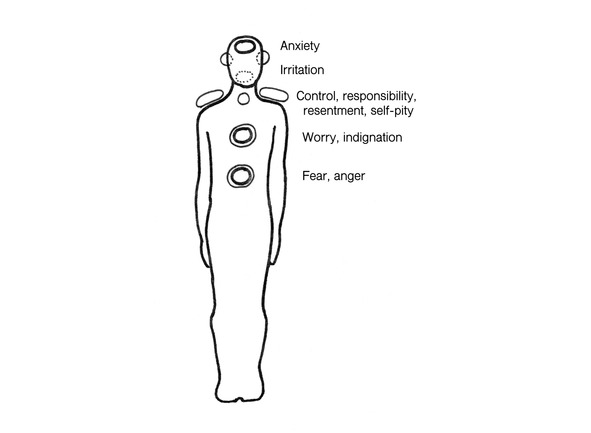
Fig. 11. The head: anxiety in the forehead, irritation in the temples, control in the occiput; the shoulders: the burden of responsibility; the throat: resentment, self-pity in response to disappointment, deception; the chest: worry, indignation; the stomach: fear, anger.
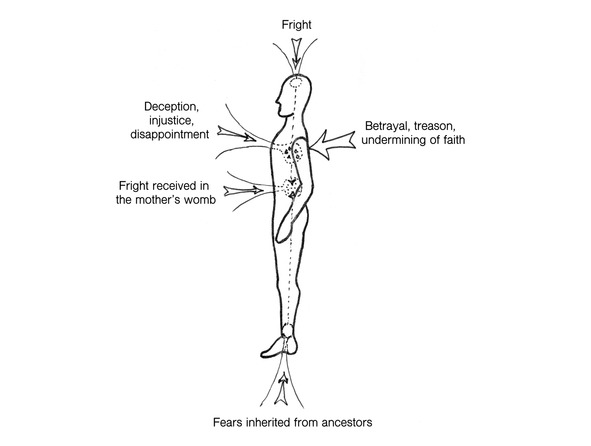
Fig. 12. The direction of impact received during the trauma.
Traumas are the following: fright, disappointment, offence, betrayal, infidelity, and loss.
The tendency of its progression is the increase of tension till it reaches the level of “sympathoadrenal status’, which may even lead to “the syndrome of burnout’, a condition difficult and sometimes even impossible to restore from. A person gradually turns into a “squeezed lemon’, and in these circumstances, learning something new is absolutely out of the option.
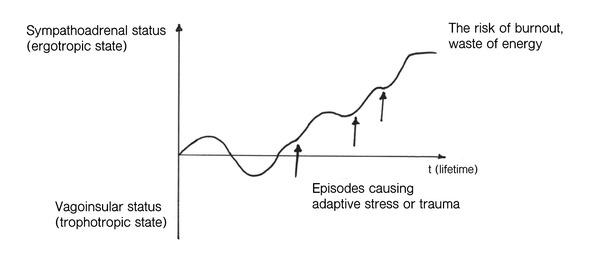
Fig. 13. Gradual loss of balance, accumulation of stress in the course of life.
Более 800 000 книг и аудиокниг! 📚
Получи 2 месяца Литрес Подписки в подарок и наслаждайся неограниченным чтением
ПОЛУЧИТЬ ПОДАРОКДанный текст является ознакомительным фрагментом.